Piano Distance: Aquarium (2026–). Spatial Audio Digest, 89 seconds: eight passages where movement and distance are clearest. Screen recording of a real-time playthrough. Headphones recommended. Open on YouTube
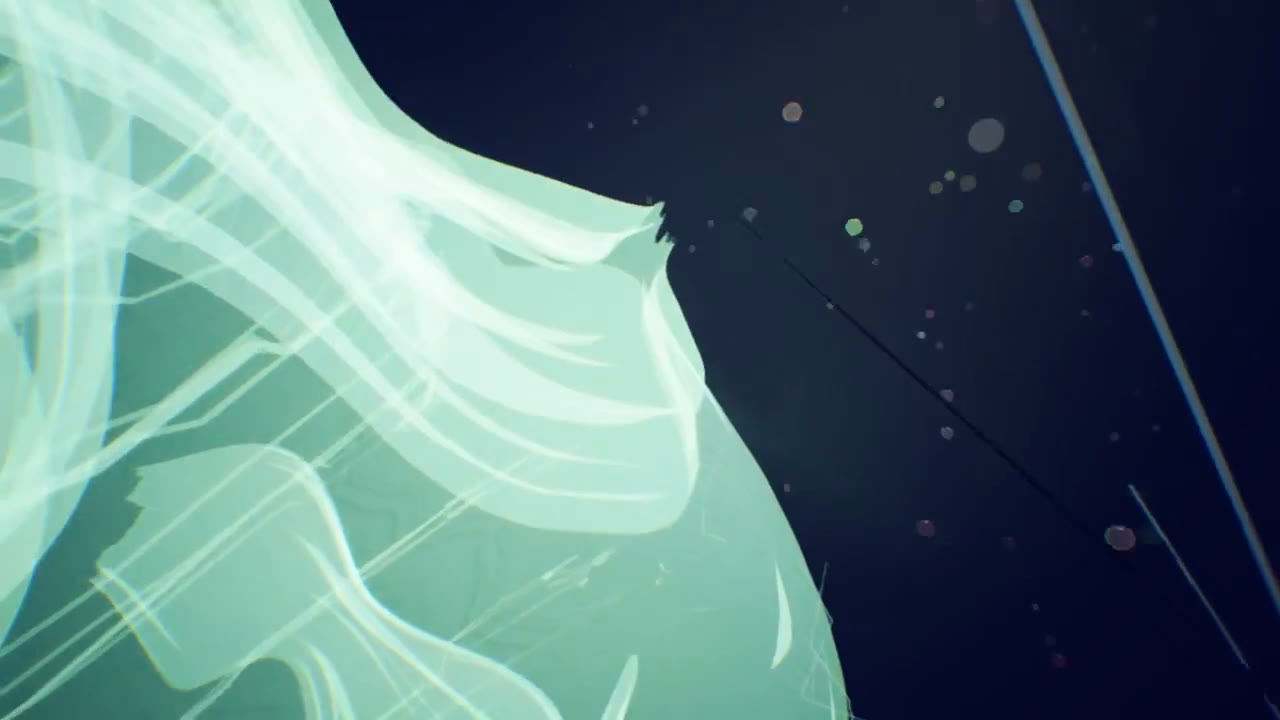
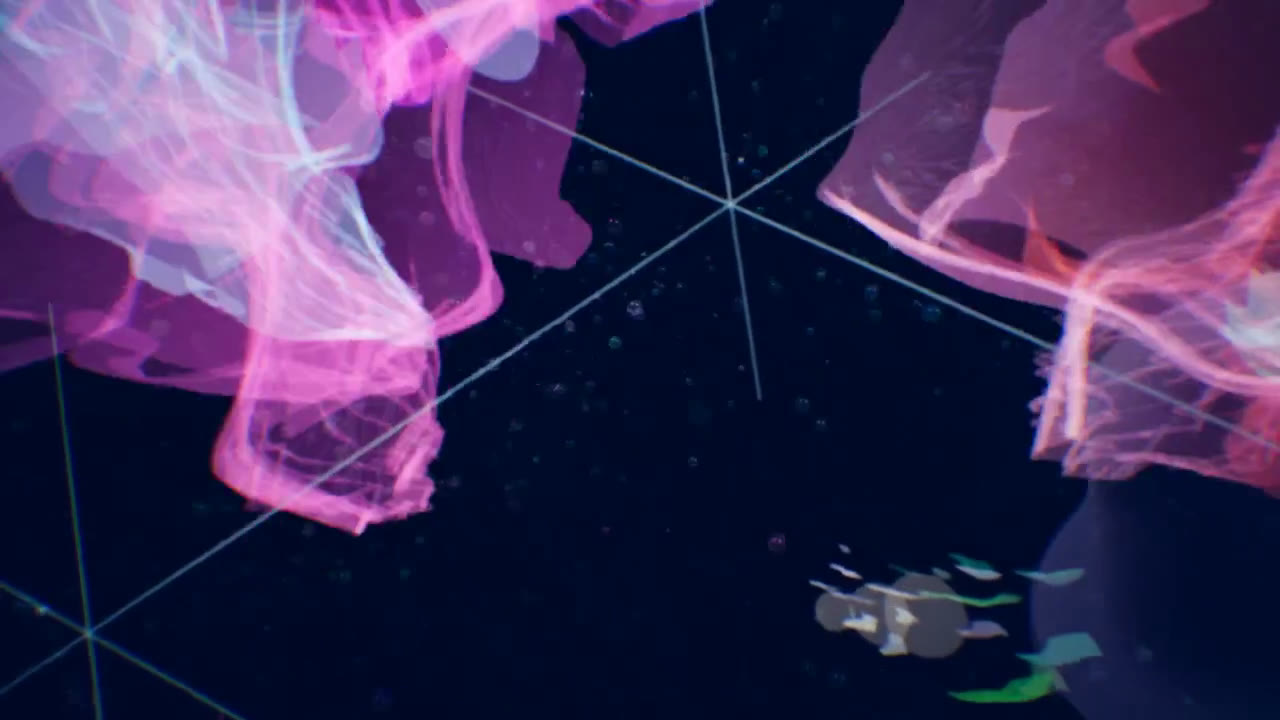
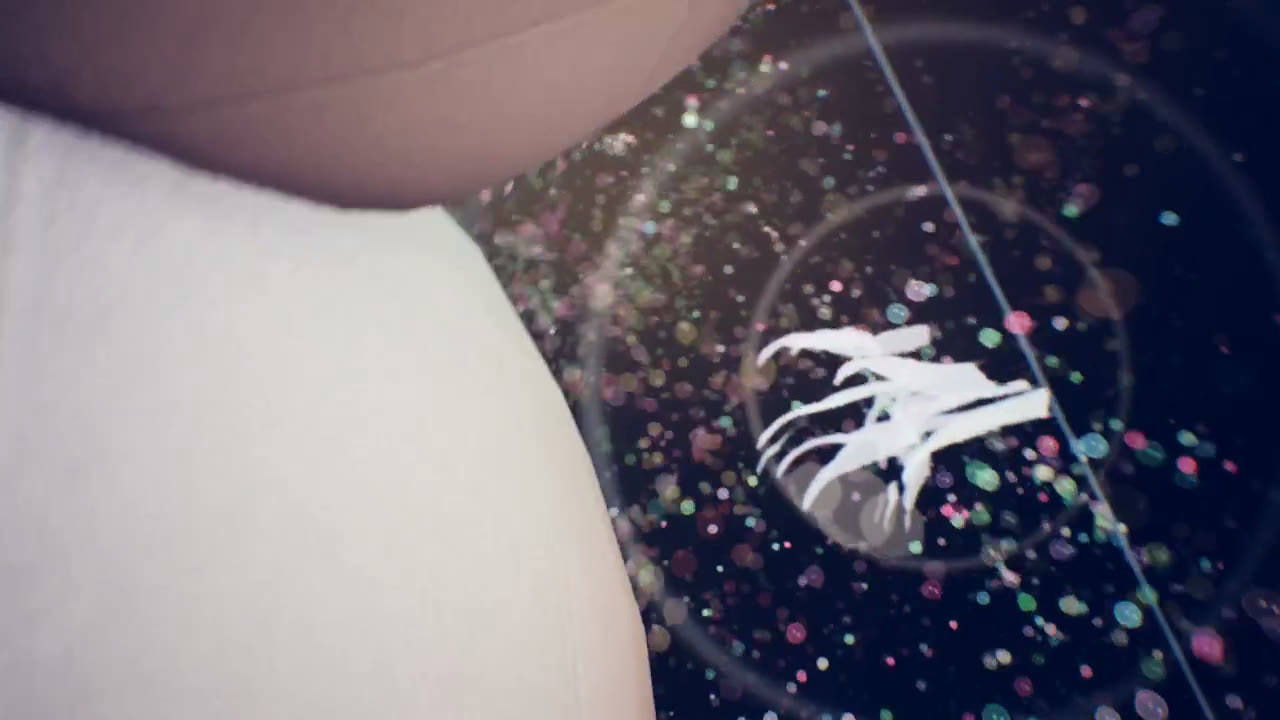
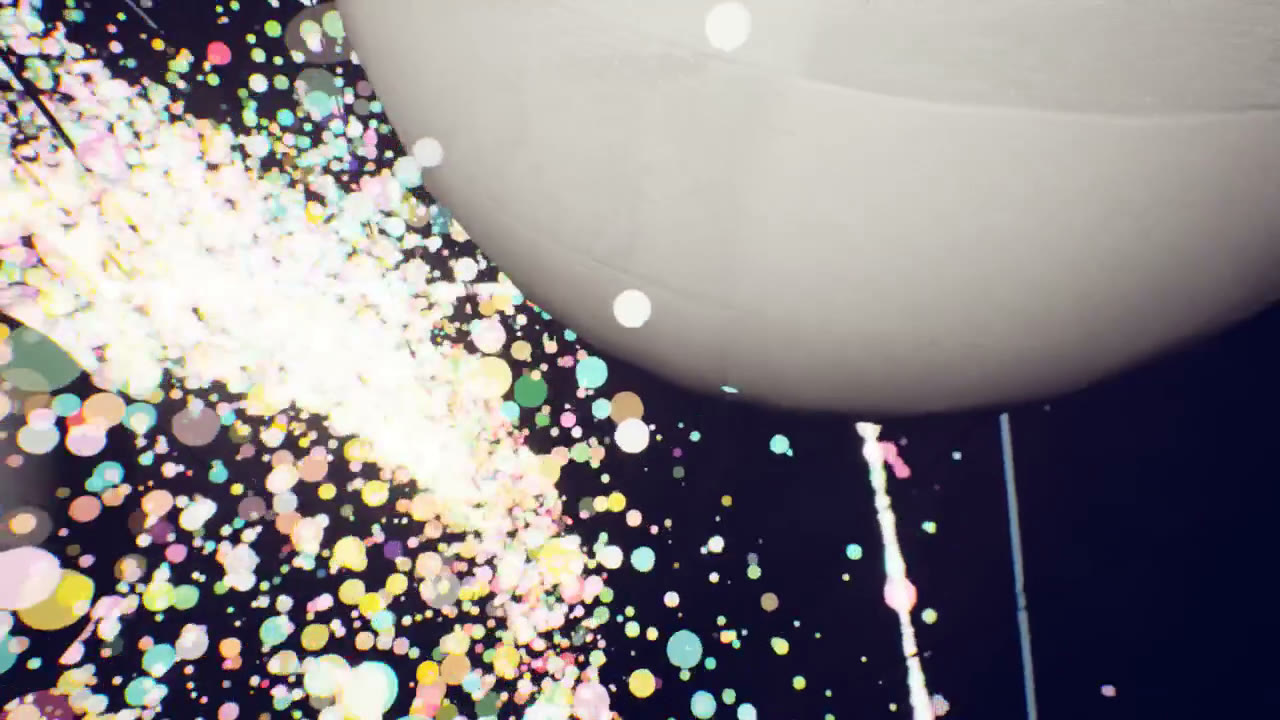
In a dark body of water, each voice of a solo piano piece sounds from its own fixed place. You hear a note before you see it: at the edge of hearing, to the right, behind, above. Using a phone or tablet, you steer a listening position, turn toward the note by ear and close the distance. The note comes forward in the mix; only then does a soft glow rise where it sounds, and a ring of light spreads from it. Each note found opens the water a little further. Ear first, image second.
Artist statement
I compose space. My work asks how a sound holds the space it travels through: how decay can become structure, and silence a distance you can measure. In Piano Distance: Aquarium, each voice of a piano piece lives at its own place in a dark body of water, and you find it by ear before the image confirms it. I want listening to become a way of moving, and distance something you feel rather than see.
The work
Technical details
- Title
- Piano Distance: Aquarium
- Year
- 2026– (work in progress; refined version planned for February 2027)
- Medium
- Interactive spatial-audio installation; real-time sound and real-time rendered imagery
- Materials
- One computer with a graphics card; one screen or projector; headphones or a pair of loudspeakers; a phone or tablet (provided at the venue or the visitor's own) on a local network. Sound: nearly thirty voices from the album Piano Distance (Fluid Audio, 2026), composed and produced by the artist.
- Dimensions
- Variable. Single screen or projection of any size; headphones or two loudspeakers.
- Duration
- About seven minutes per cycle (the length of the piece), looping.
- System (as developed)
- Windows 11 PC with an NVIDIA graphics card; TouchDesigner 2025; Unreal Engine 5; a local Wi-Fi network for the controller.
- Tools and software
- TouchDesigner (spatial-audio engine, binaural rendering, control); Unreal Engine 5 (real-time imagery, driven every frame by each voice's position, loudness and assigned colour); a browser-based controller; spatial-audio processing that combines the artist's own software.
- Visual assets
- Geometry and materials procedurally generated in code to the artist's designs; no stock, marketplace or third-party 3D assets (engine-standard components only).
- Documentation
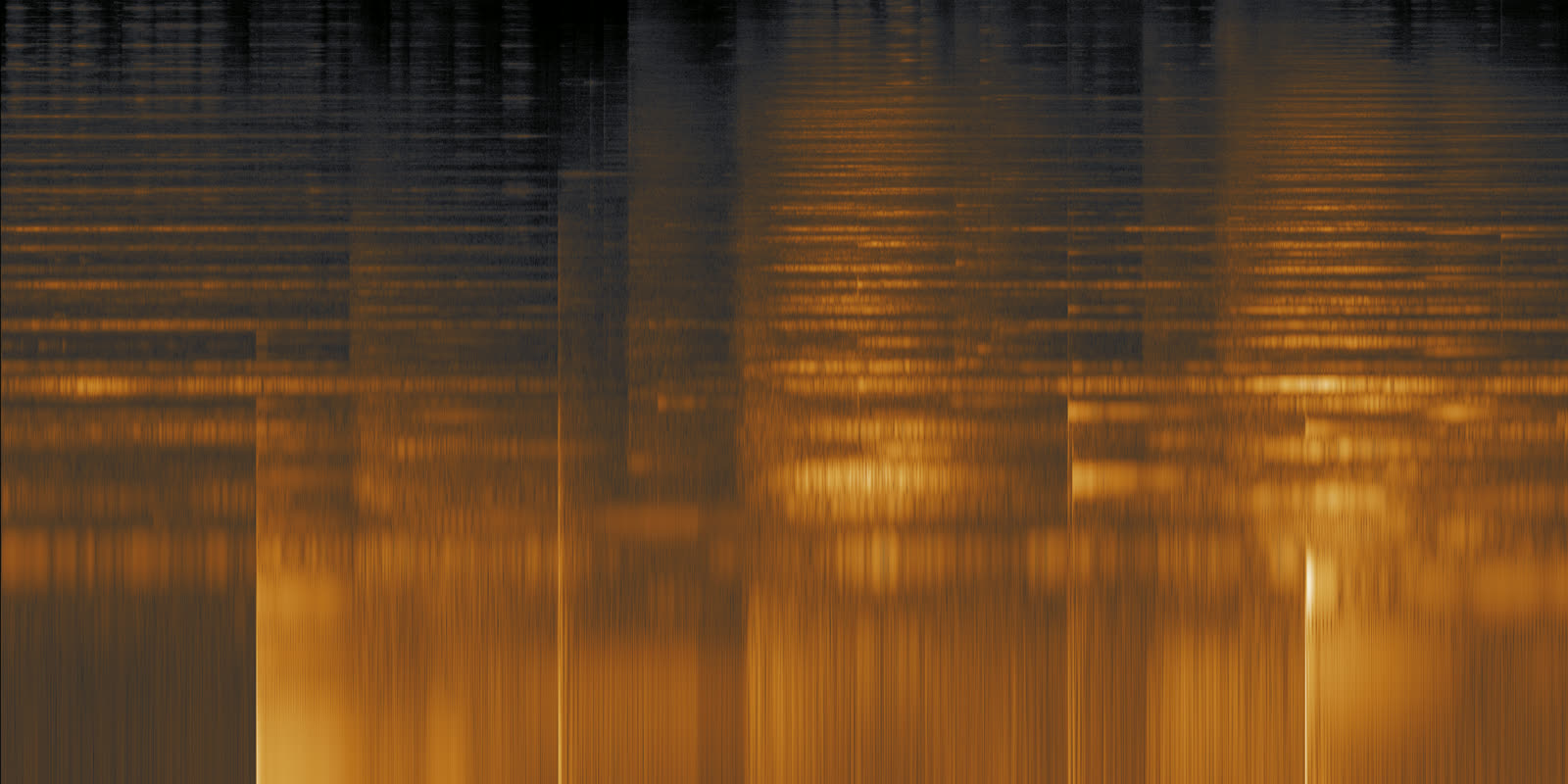
- The video and stills are screen recordings of a real-time playthrough. Headphones recommended; on two speakers the left-right and distance cues remain.
AI disclosure: much of the scripting in TouchDesigner and Unreal Engine 5 was written with AI coding assistants, under my direction and review. No generative AI image, video or audio models were used. The composition, the recording, the placement of every voice and all visual and aesthetic decisions are my own.
The story
The title Piano Distance comes from Toru Takemitsu's 1961 piano work of the same name, a piece about the distances between performer and listener, between an instrument and the room, between a sound and the silence around it. I wanted to take that word literally.
As a pianist I have spent much of my life listening to how a note dies away in a room: the moment after the attack, when the instrument hands the sound over to the space. Recordings usually treat that decay as a tail to be trimmed. I wanted to make it the thing you listen for, and move toward.
On my album Piano Distance, the spatial dimension is written into the music as material, not added afterward. I treat the decay of a piano note as structure, and silence as a distance you can measure. Sounds are not panned left and right; they are positioned, behind you or above you, so that they arrive as presences in a place. Headphones give the full picture; on two speakers, the left-right and distance cues remain.
Piano Distance: Aquarium turns that idea into a place you move through. Nearly thirty voices of the music are each fixed at a point in a dark underwater space. Nothing tells you at first where a note is. You hear it faintly and turn toward it on the touchscreen. As you come closer, the note moves forward in the mix, and only then does the image answer: a glow, a ring of light, sediment lifting from the floor. The picture confirms what the ear has already found. Much audiovisual work shows you the source and lets the sound confirm it; here the order is reversed.
The underwater environment began in my work for the Tsuchiura Sound Archive Project, where an earlier version was shown at a public exhibition in August 2026. I then rebuilt it around the album. TouchDesigner recalculates the direction and distance of every voice as the listener moves the listening position, and renders them binaurally. Unreal Engine 5 receives each voice's position, loudness and assigned colour every frame, and everything in the image that reacts to the music is driven by that data. The drifting, cloth-like creatures are procedurally generated in code to my designs. For the spatial-audio processing I combine software of my own, shaped by ear over many years of studio work.
We live among things that are loud and close. Hearing is, first of all, a sense of distance: where is it, how far away? This piece asks whether a slower kind of attention, finding a sound by ear before you see it, is still possible. It is still in progress; a refined version is planned for February 2027.
Process
Artist biography
Hiroyuki Nakamura is a Japanese composer, pianist and spatial-audio artist based in Kawasaki, Japan. He studied piano at Showa University of Music, graduating in 2003, and has spent some twenty years working on one question: how does a sound hold the space it travels through? His practice moves between solo piano, orchestra, electronics and real-time image, and increasingly takes the form of installations in which listeners find music by moving through it.
His album Piano Distance (Fluid Audio, UK, 2026; mastered by Ian Hawgood) treats the decay of a piano note as structure and silence as a measurable distance; its music video Meltwater Stillness was screened at the SIMI Music Video Fest in 2026. Earlier releases appeared on Dragon's Eye Recordings (US) and Youngbloods (UK). He contributed music to Random International's Alone Together (Riyadh Art 2024; Superblue Miami), was music director of Kawasaki City's centennial project Encount (2024), created spatial audio for YUKI's music video "Share" (Sony Music), and directs the Beyond Boundary Chamber Orchestra, with which he staged the electric opera VENUS Festival (2023). Since 2025 he has made sound works for the Tsuchiura Sound Archive Project in Tsuchiura, a lakeside city northeast of Tokyo. He is currently composing for a UK–Japan dance-theatre collaboration with choreographer Rosie Kay, supported by Arts Council England. He has taught at the National University of Tainan (Taiwan) and given special lectures in Japan, including a lecture as part of Apichatpong Weerasethakul's workshop at Tama Art University.